
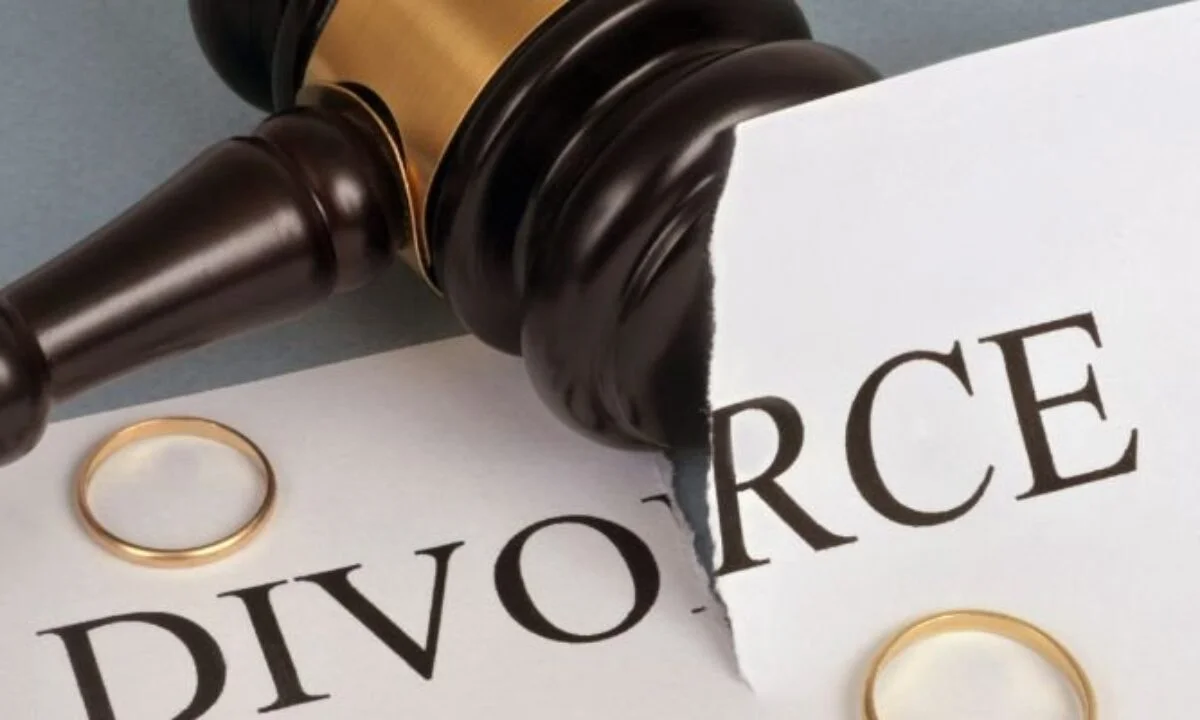
Divorce, though often steeped in pain and misunderstanding, is a deeply human experience. It marks the legal end of a marriage, but in truth, it signifies far more than a procedural dissolution. It is the conclusion of a chapter once filled with hope, companionship, and shared dreams. Yet, it can also represent the beginning of personal growth, renewed identity, and a redefined future. In a world where the traditional institution of marriage continues to evolve, divorce stands not as a failure but as a transformation—albeit one that demands emotional resilience, introspection, and maturity.
To understand divorce fully, one must look beyond its legal mechanics. While statutes and courtrooms govern the process, the true essence of divorce lies in the emotional terrain it unveils. The moment a couple decides to part ways, a series of complex decisions must be made—about finances, property, children, and identity. Each choice carries not only legal implications but emotional weight, often compounded by years of shared history.
Modern divorce laws have shifted significantly from their historical roots. In earlier times, divorce was rare and often stigmatized, requiring proof of wrongdoing such as infidelity or abuse. Today, in many jurisdictions, no-fault divorce has become the norm, allowing couples to separate without assigning blame. This legal evolution reflects a broader cultural shift toward recognizing individual autonomy and the nuanced reasons relationships may fail.
Still, the absence of fault does not mean the absence of pain. Divorce can be one of life’s most traumatic events, akin to grief. It involves mourning the loss of not just a partner, but a vision for the future. The emotional stages of divorce—shock, denial, anger, bargaining, and acceptance—often mirror those experienced during bereavement. Friends and family may offer support, but the internal reckoning must ultimately be faced alone. The heart, after all, does not dissolve as cleanly as a court decree.
Financial considerations frequently complicate the process. The division of assets, alimony, and child support can become contentious, particularly when emotions run high. Even in amicable separations, navigating the practicalities of untangling intertwined lives can be exhausting. For many, divorce leads to a significant change in lifestyle, requiring budgeting, downsizing, or reentering the workforce. These adjustments demand not only logistical planning but psychological recalibration.
Children, when involved, add another layer of complexity. Co-parenting arrangements, custody battles, and the challenge of shielding young minds from adult discord all come to the fore. Research consistently shows that while divorce itself does not necessarily harm children, exposure to prolonged parental conflict can. Thus, parents are urged to prioritize stability, open communication, and emotional reassurance throughout the transition. A child’s well-being often hinges less on the separation itself than on how it is handled.
Despite its challenges, divorce can also be an opportunity—an unexpected invitation to rediscover oneself. For many individuals, the end of a marriage becomes the beginning of personal empowerment. Freed from dysfunctional dynamics or the compromises that once muted their authenticity, people often find clarity about what they truly value. They invest in their careers, reconnect with passions, or forge new relationships built on deeper self-awareness.
Social perceptions of divorce are also shifting. What once carried a heavy stigma is now viewed with greater empathy and nuance. The rise in divorce rates, particularly among older adults, reflects not a collapse of morality but a greater willingness to seek fulfillment at any stage of life. The narrative is changing: leaving an unhappy marriage is no longer seen as giving up but as choosing to live more honestly.
Nevertheless, every divorce story is unique. Some are marked by quiet mutual understanding, others by acrimony and regret. Some unfold over years, others in a matter of weeks. The reasons people divorce are as varied as the reasons they marry: lack of communication, infidelity, financial strain, or simply growing apart. No formula can predict which marriages will endure or end. What remains consistent, however, is the need for compassion—toward oneself and one’s former partner.
Legal professionals, therapists, and mediators each play vital roles in supporting individuals through the process. The ideal approach to divorce is one that balances legal protection with emotional healing. Mediation, for instance, offers a less adversarial alternative to traditional litigation, allowing couples to resolve issues collaboratively. Therapy—both individual and couples’—can provide essential space for reflection and closure. Ultimately, a respectful divorce, while not always possible, is the ideal, sparing both parties unnecessary harm and setting the tone for healthier future interactions.
In conclusion, divorce is a profound life event that reshapes identity, redefines relationships, and recalibrates the path forward. It demands courage—the courage to leave, to grieve, to rebuild, and to hope again. While it marks an ending, it also carves out space for new beginnings. In embracing the full spectrum of its challenges and opportunities, individuals can emerge not diminished, but transformed. For in the ashes of a former union lies the fertile ground for something new: self-understanding, resilience, and perhaps, eventually, a love more aligned with who one has become.